
01 Financing
02 Journey tracking
03 Quality Improvement
-
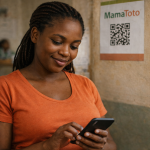
- Sign-up through WhatsApp relieves burden on the nurses and ensures privacy. The information is stored in a Shared Health Record (SHR).
-
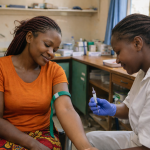
- Women on the Hybrid Care Model are 30% – 60% more likely to have at least 4 ANC visits. The SHR is used and updated at each visit.
-
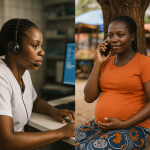
- Teleconsultations fit daily activities and save time and money compared to a clinic visit. The SHR is used and updated during each call.
-
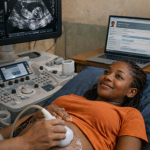
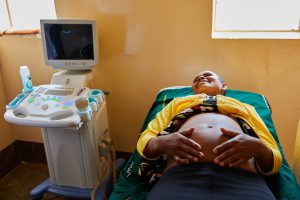
- Women on the hybrid care model are 2 – 3 times more likely to get their early ultrasound.
-
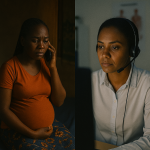
- Up to 26% of MamaToto women have mental health issues. Teleconsultations are suited to flag and treat these.
-
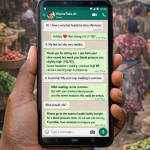
- A chatbot gives personalised advice any time, preventing misconceptions and identifying risks in a timely manner. (This bot is still under development).
-
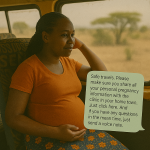
- Most women give birth in another clinic. We make sure their medical record travels with them. (This feature is still under development).
-
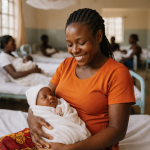
- Our combined stillbirth and newborn death rate is just 1.1%, much lower than Kenya’s average, showing safer births through better care. Statistics are from preliminary data and subject to further scientific research by Strathmore University.
-
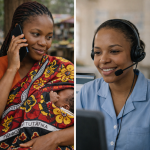
- Teleconsultations continue postpartum, adapting to the busy schedule with newborn life and ensuring that no risk is missed.
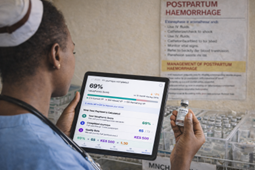
A nurse inspecting oxytocin supplies as she reviews the quality performance and incentives.
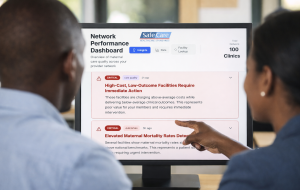
Insurance employees discussing how to take action on low-performing facilities.