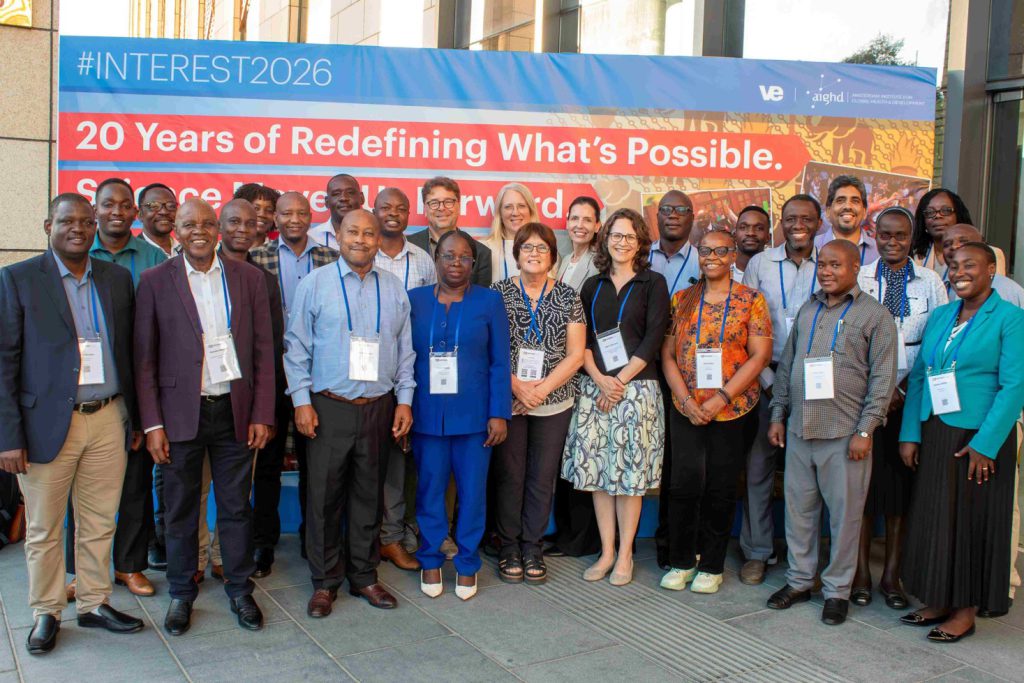
The Shinyanga Test & Treat project was his last initiative before he was killed when Malaysia Airlines flight MH17 was shot down over eastern Ukraine in July 2014, weeks after the project launched. Last month, the project held its final consortium meeting in Dar es Salaam. Twelve years after it launched, the results are in.
What the project set out to do
In 2014, two ideas were still largely untested in HIV care: universal test-and-treat, which gave immediate access to antiretroviral therapy to anyone who tested positive, and differentiated service delivery, where stable patients could receive their medication through community clubs run by local health workers, instead of travelling to a clinic every month.
Shinyanga was designed to test both, in a rural, low-resource setting in northwestern Tanzania. Doctors with Africa CUAMM implemented the project in collaboration with the Diocese of Shinyanga with trained nurses and community health workers across the Shinyanga and Simiyu regions. AIGHD did the independent scientific evaluation of the work with Prof Tobias Rinke de Wit as coordinator and promotor. Gilead Sciences provided the funding.
What ten years produced
338,000 people were tested for HIV. More than 70 community adherence clubs were established, the first of their kind in Tanzania. For patients care through these clubs cost a third of the price of clinic-based treatment, with equivalent clinical outcomes. In the Simiyu region; 98.8% of people on treatment were virally suppressed.
The project also generated three African PhDs in health economics, clinical research, and social science, and 20 peer-reviewed papers.
The moment that mattered
At the final meeting in Dar es Salaam last month, local policymakers weren’t asking for more international funding. Regional AIDS coordinators and a sitting member of parliament were asking how they could finance these clubs themselves.
“It’s now the time for us to think: how can we support these clubs from our own resources?” said Dr Khamis Kulemba, regional AIDS control coordinator from Simiyu.
That’s not a small thing. It’s the difference between a project that worked and one that lasted.
Joep’s legacy, carried forward
Joep Lange founded PharmAccess on the belief that the goal of global health isn’t to deliver care indefinitely from the outside, but to build systems that work from the inside. Shinyanga is one of the clearest demonstrations of that in practice.
The researchers who built their careers on this evidence are still working. And the politicians who sat in that room in Dar es Salaam last month are now figuring out how to keep it going with their own budgets.
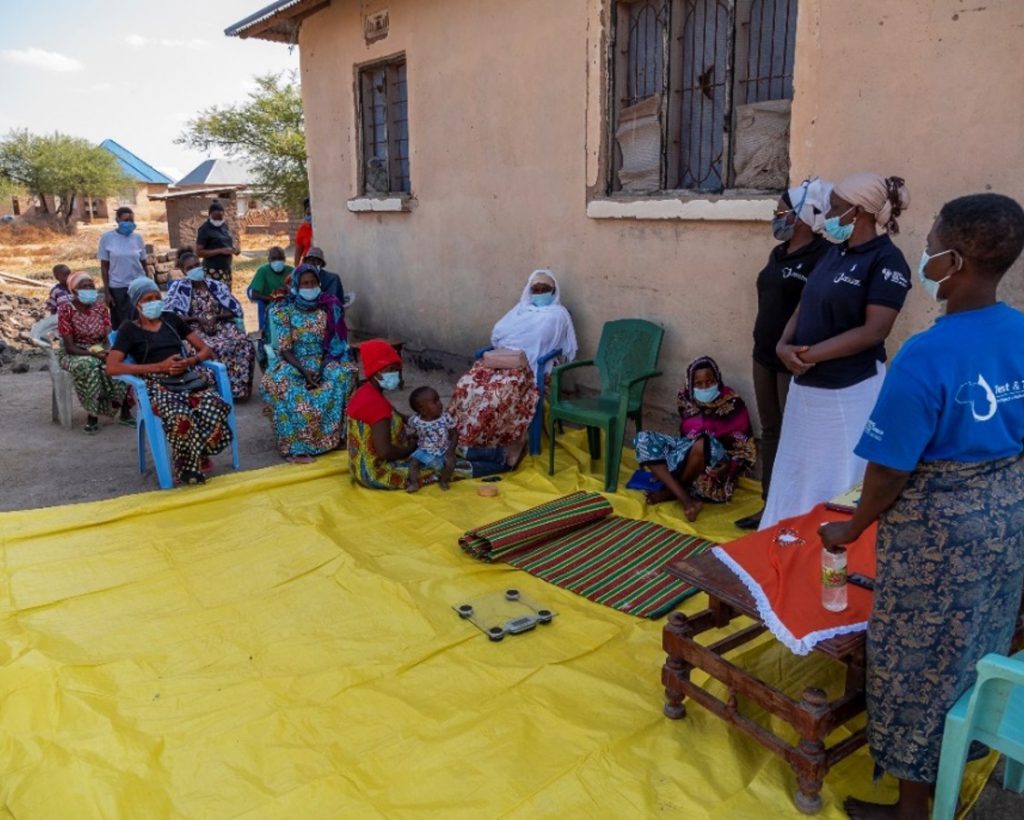
Photo: CUAMM